Essential maintenance tips for nut roasting machines (electromagnetic, gas/LPG models). Extend lifespan, ensure stable operation, reduce costs, and care for 304 stainless steel body & drum. Professional guidance for daily & long-term upkeep.
As a core piece of equipment in the food processing industry, the stable operation of the nut roasting machine directly impacts production efficiency and product quality. Our nut roasting machines utilize multiple heating methods to adapt to different production needs. The machine body is made of 304 stainless steel, combined with a scientifically designed drum structure, balancing durability and roasting effect. To fully utilize the equipment's performance and extend its lifespan, proper daily maintenance is essential. Below, we provide detailed maintenance tips to help every user efficiently utilize the equipment and reduce operating costs.
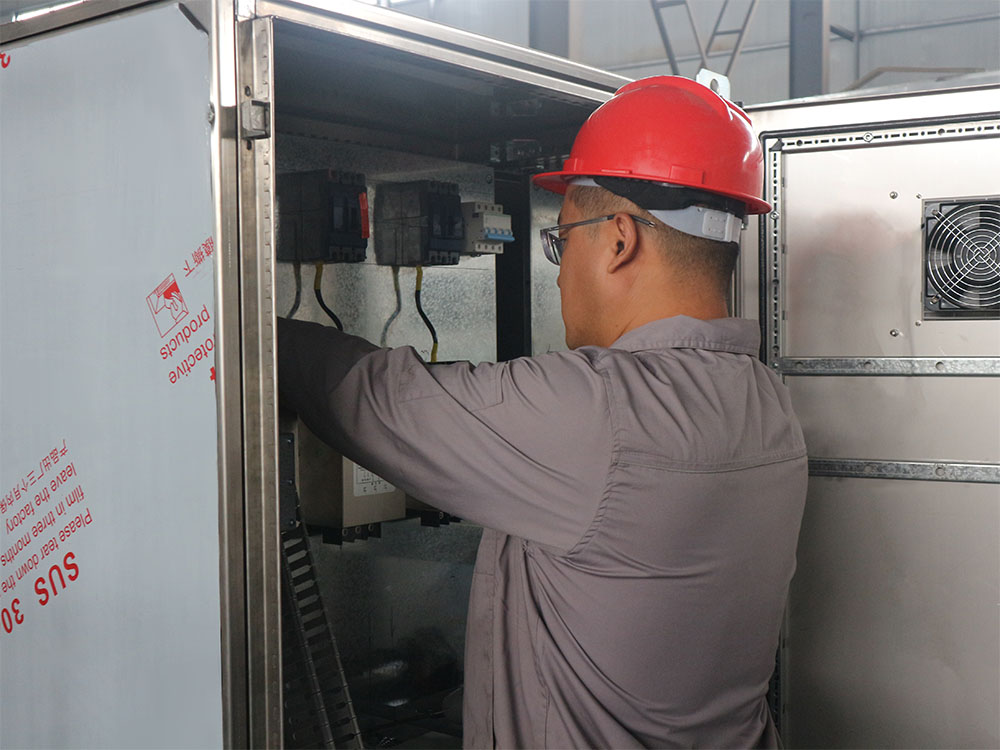
I. Core Techniques for Daily Maintenance (Key to Extending Lifespan)
Daily maintenance should follow four principles: "cleaning, inspection, lubrication, and protection." Based on the equipment's configuration, maintenance should be carried out separately for different parts and scenarios to prevent the accumulation of small faults that can lead to equipment damage. Specific techniques are as follows:
1. Heating System Maintenance
The heating system is the core of the equipment. Different heating methods require different maintenance focuses, requiring daily inspection and regular upkeep:
- Electromagnetic Heating Models: After daily use, turn off the power and allow the equipment to cool. Wipe the surface of the electromagnetic coil with a dry, soft cloth to remove dust and food debris, preventing foreign matter accumulation from affecting heating efficiency. Check the coil wiring monthly to ensure it is secure and not loose, avoiding short circuits. If the equipment is not used for a long period, disconnect the power and cover the coil area with a dust cover to prevent moisture.
- Gas/Liquefied Petroleum Gas (LPG) Model: Before daily use, check the gas pipeline, LPG interface, and pressure reducing valve for leaks (apply soapy water and observe for bubbles). If a leak is found, immediately shut off the gas supply, stop use, and contact a professional for repair. After daily use, remove carbon deposits and food residue from the burner surface to prevent clogging of the burner orifices and affecting heating uniformity. Check the burner ignition needle monthly, cleaning surface stains to ensure smooth ignition. Regularly replace aging gas hoses and sealing rings to prevent leaks due to component aging.
2. 304 Stainless Steel Body and Drum Maintenance
While 304 stainless steel is corrosion-resistant, daily cleaning and protection can further extend its service life and prevent stains and rust:
- Daily Cleaning: After use, wait for the equipment to cool to room temperature. Use warm water with a neutral detergent to wipe the surface of the body and the inner wall of the drum to remove residual nut crumbs and grease, preventing long-term grease adhesion and oxidation, which affects the appearance of the body and the lifespan of the material. After cleaning, wipe dry with a soft cloth to prevent moisture residue from causing localized rust.
- Regular Maintenance: Monthly, gently wipe the machine body connections, screws, and other metal parts with food-grade rust-preventive oil to prevent rusting caused by prolonged exposure to air. If the equipment is not used for an extended period, clean and dry it, then completely cover it with a dust cover and store it in a dry, well-ventilated area to prevent moisture and dust accumulation.
- Drum Maintenance: Daily, check if the drum rotates smoothly and without abnormal noises. Weekly, open the drum connections and clean out any remaining food debris to prevent jamming. Monthly, add lubricating oil to the drum drive shaft to ensure smooth rotation and reduce wear. If scratches or wear are found on the inner wall of the drum, contact the manufacturer for repair immediately to avoid affecting the cooking effect and drum lifespan.
3. Electrical and Control System Maintenance
The electrical and control systems of the equipment directly affect operational stability and require regular inspection and standardized operation:
- Before daily use, check the power lines and plugs for damage or aging to prevent leakage and short circuits;
- Regularly check the buttons and display on the control panel to ensure sensitive operation and accurate display. If any lag or malfunction occurs, immediately turn off the power and contact a professional for repair;
- Avoid overloading the equipment. Strictly adhere to the equipment's rated capacity (30KG/batch) during roasting to prevent damage to the motor and controller from overload;
- During equipment operation, if abnormal noise, odor, or tripping occurs, immediately stop the machine for inspection. Resolve the fault before continuing use; never force operation.
4. Long-Term Shutdown Maintenance
If the equipment needs to be shut down for an extended period (more than one month), perform comprehensive maintenance to prevent component aging and damage:
- Thorough Cleaning: Thoroughly clean the machine body, drum, heating system, and control panel, removing all residual food, grease, and dust;
- Component Protection: Apply lubricating oil to all rotating parts and metal connections, and apply anti-rust oil to the machine body; turn off the power and gas supply, unplug the power cord, and properly organize wiring and gas pipes;
- Storage Environment: Place the equipment in a dry, well-ventilated area free of corrosive gases, and completely cover it with a dust cover to avoid direct sunlight and humid environments that could damage components.
II. Maintenance Precautions
- All maintenance work must be performed after the equipment has been stopped, cooled, and the power and gas supply disconnected. Operation under power or pressure is strictly prohibited to avoid accidents.
- Do not use corrosive cleaning agents or hard-bristled brushes for cleaning, as these may scratch the 304 stainless steel surface and damage equipment parts.
- Use food-grade lubricating oil and rust-preventive oil to avoid contaminating food and ensure production safety.
- Regularly inspect easily damaged parts of the equipment (such as seals, hoses, bearings, etc.), and replace any aged or damaged parts promptly to prevent minor problems from escalating.
- Operators must be familiar with the equipment's operating procedures to avoid damage caused by improper operation. Regularly participate in equipment maintenance training to master basic maintenance skills.
III. Summary
Our nut roasting machine, with its multiple heating methods (electromagnetic, gas, and liquefied petroleum gas), 304 stainless steel body, and scientifically designed drum structure, provides users with efficient and durable production equipment. Scientific daily maintenance is key to extending equipment lifespan, reducing operating costs, and ensuring stable production. By following the maintenance techniques above and providing targeted care for each component and heating method, you can fully leverage the equipment's roasting advantages and ensure it maintains optimal operating condition for the long term, safeguarding your production operations.
If you encounter any questions during maintenance, or require replacement of easily damaged parts or professional repairs, please feel free to contact our after-sales team. We will provide comprehensive technical support and services.

